

We are a special part of the UNLV University Libraries that contains unique, specialized, and often one-of-a kind materials, including archives, rare books, photographs, maps, and architectural drawings.
Many university libraries have a special collections department, but each one focuses on different subject areas or topics. UNLV Special Collections and Archives focuses on the history and culture of Las Vegas, Southern Nevada, the gaming industry, and on UNLV itself.
Many of our materials are primary sources—documents, images, or artifacts that provide firsthand evidence of a historical topic. Primary sources typically have the following characteristics:
- They usually were created at the time an event occurred or very soon afterward.
- Some are unique and only exist in one copy, such as in a letter or diary.
- Other primary sources can also exist in many copies, if they were popular and widely available at the time they were created, such as a newspaper or map.
Examples of primary sources
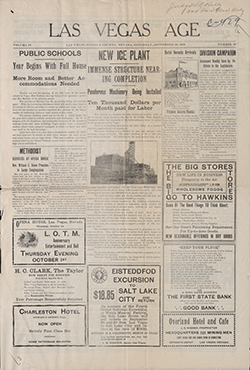
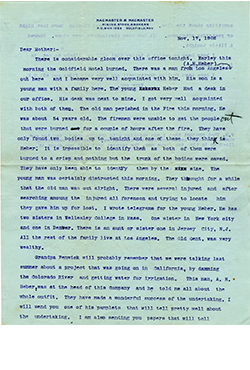
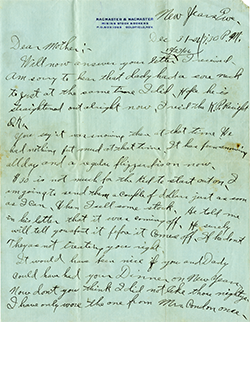


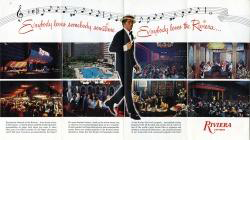
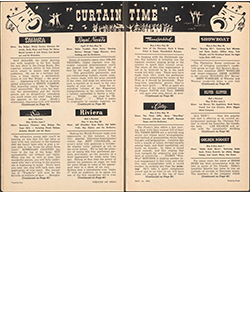
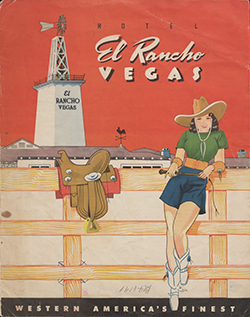
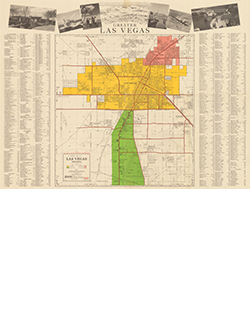
Other examples
Note that primary source materials—letters, memos, diaries, brochures—are not generally found as single items in Special Collections and Archives.
- They typically form part of what we call a manuscript or archival collection.
- If they are the personal papers of a notable person, they are considered a manuscript collection.
- If they are the non-current records of a business or organization they are generally considered an archival collection; however, many people use these words interchangeably.
- These collections may be composed of one box or several. They can range from 10 boxes to 100 to even in the 1000s.
Books
Although most books are secondary sources, some books can be used as primary sources if you are using them as representative of the time in which they are created.
Some primary sources (such as letters and diaries) have been compiled and published in a book format. In that case, they are still considered a primary source despite the fact that they exist as a book.
Oral histories
An oral history is an interview with an individual that focuses on their life broadly or on specific events in their life that were of importance. They provide first-person accounts of particular events, but it is important to remember that often they are recollections from many years after the event and can be faulty. Generally you would use a transcript of the interview in your research as opposed to listening to the audio cassette or CD.
Digitized primary sources
Would you like to use primary sources, but can’t make it into Special Collections and Archives? Well, in many cases, we have digitized materials (including photographs, letters, reports, maps and menus) and made them available in online digital collections.
Many other libraries, archives, and special collections have also digitized and made their materials available online. Other collections of primary sources have been made available in microfilm.
Please note that these are still primary sources even if they are in digital format. We have altered their physical form, but we have not changed the content of the original materials.
What is a secondary source?
A secondary source interprets and analyzes primary sources or other types of data. They typically include scholarly books and articles.
Second-hand, published accounts are called secondary sources. They are called secondary sources because they are created after primary sources and they often use or refer to primary sources.
Other online resources on primary sources

Many other institutions offer useful information and instruction in the use of primary sources, collections of digitized primary sources, or links to other archive and special collection repositories where you may find items of interest for your research.
- Using Primary Sources - Reference & User Services Association (RUSA)
- Using Primary Sources - Library of Congress
- Digitized Primary Sources from the National Archives - Organized by Historical Eras
- Archive Grid includes over 5 million records describing archival materials, bringing together information about historical documents, personal papers, family histories, and more. Over 1,000 different archival institutions represented.